
Future Vision: How OLED Screen Technology is Reshaping the Night Vision Market and User Experience
Recently, according to a report from The Elec, the plan to switch the MacBook Air series from LCD screens to OLED screens has been delayed, sparking widespread industry attention on OLED technology.
So, what exactly is an OLED screen?
OLED is known as the third-generation display technology and is often referred to as a "dream display." Compared to traditional screens, OLED is lighter, thinner, more energy-efficient, and offers better visual performance. Additionally, it can be curved, making it widely used in curved TVs, smartphones, and other devices.
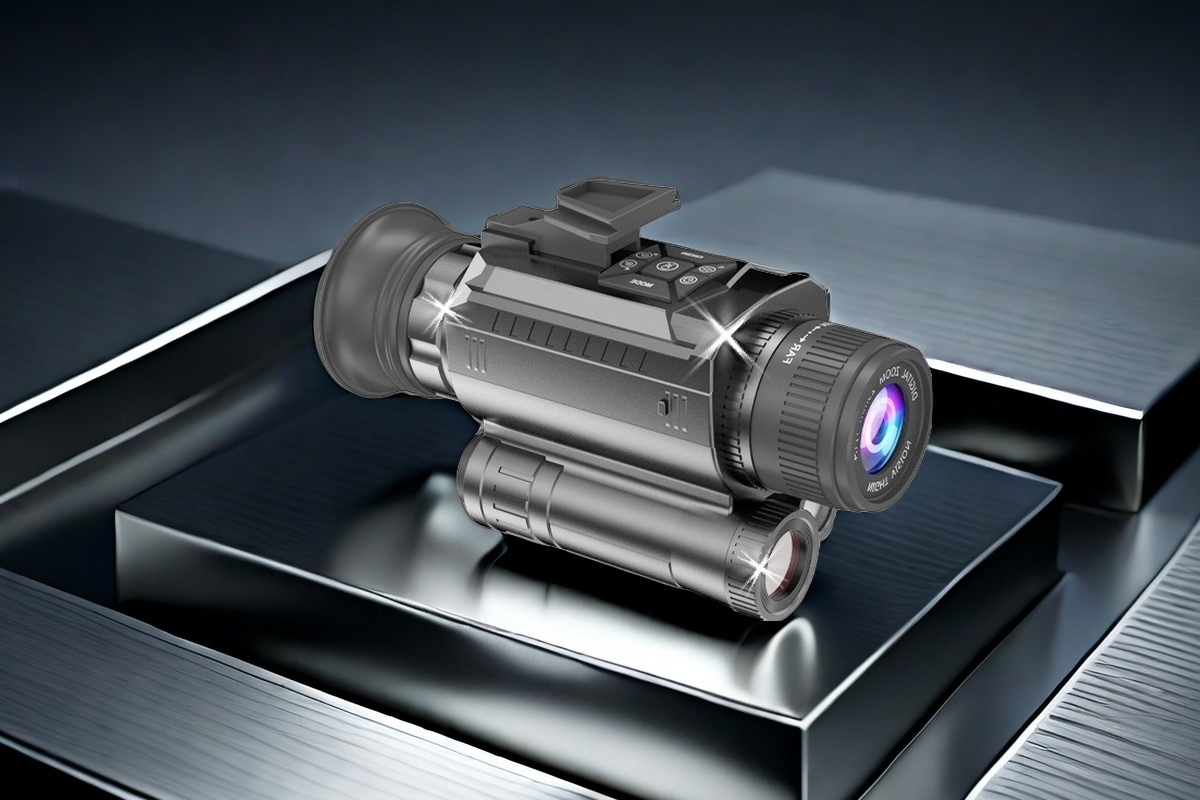
Today, major international manufacturers are intensifying their investment in OLED technology research and development, leading to its increasingly widespread application in fields such as televisions, computers (monitors), smartphones, and tablets.
1.Innovative Applications of OLED Technology.
In the global night vision device market, the demand for high-performance night vision equipment is growing steadily with advancements in technology and the expansion of application fields. According to a report by Data Bridge Market Research, the market for night vision devices is expected to continue expanding, with technological innovation serving as the primary driver of market growth. In this context, the R&D team at Zhongteng has applied OLED screen technology to the night vision device field, a technological breakthrough that is both highly anticipated and needed by consumers.
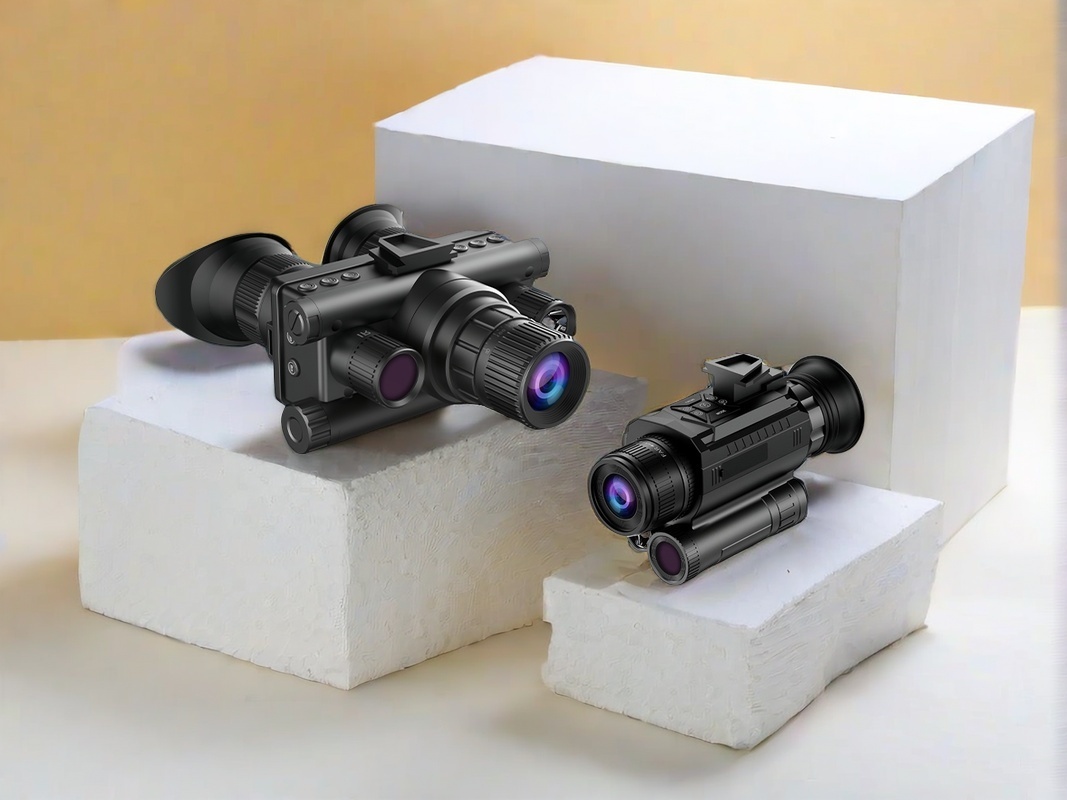
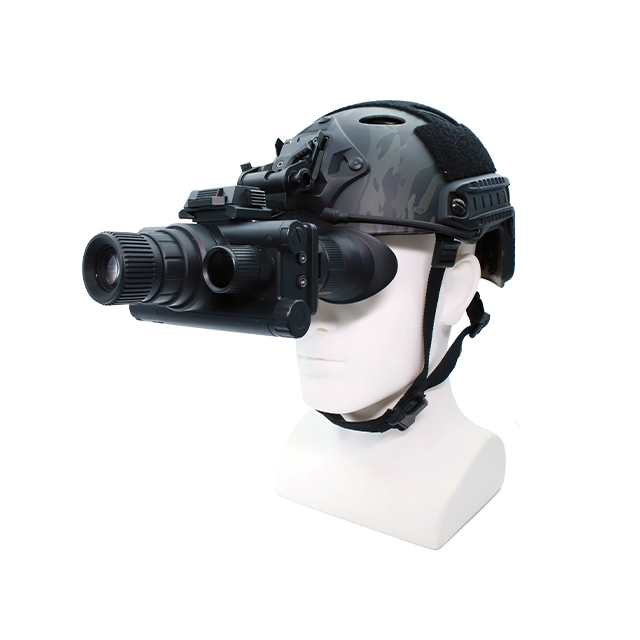
A quick search on major e-commerce platforms reveals that most night vision devices use LCD flat screens, as LCD technology is mature and relatively cost-effective. However, Zhongteng's night vision devices feature OLED round screens, a technological innovation aimed at offering users more choices and providing a visual experience that better meets their needs.
2. Advantages of OLED Screens
·Higher Contrast
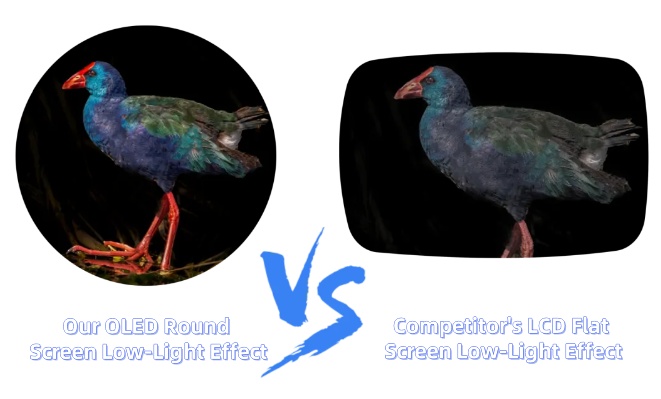
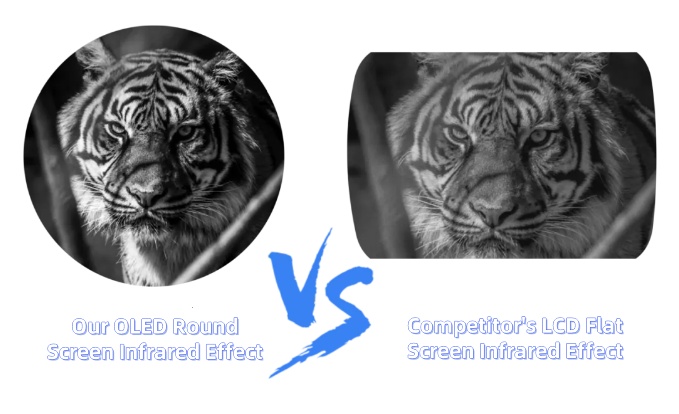
Compared to traditional LCD screens, OLED displays offer higher contrast, with deeper blacks. This results in clearer image details and more defined object contours, creating a more vivid and immersive viewing experience.
·Richer and More Vivid Colors
OLED screens can display more vibrant and rich colors with higher color saturation. This results in more vivid images, providing users with an enhanced and more immersive visual experience.

·Excellent Low-Light Performance
OLED screens excel in low-light and completely dark environments. They effectively enhance the brightness and clarity of night vision images, reducing noise. Even in total darkness, the display remains detailed and layered, offering a sharp and immersive viewing experience.
·Energy Efficiency
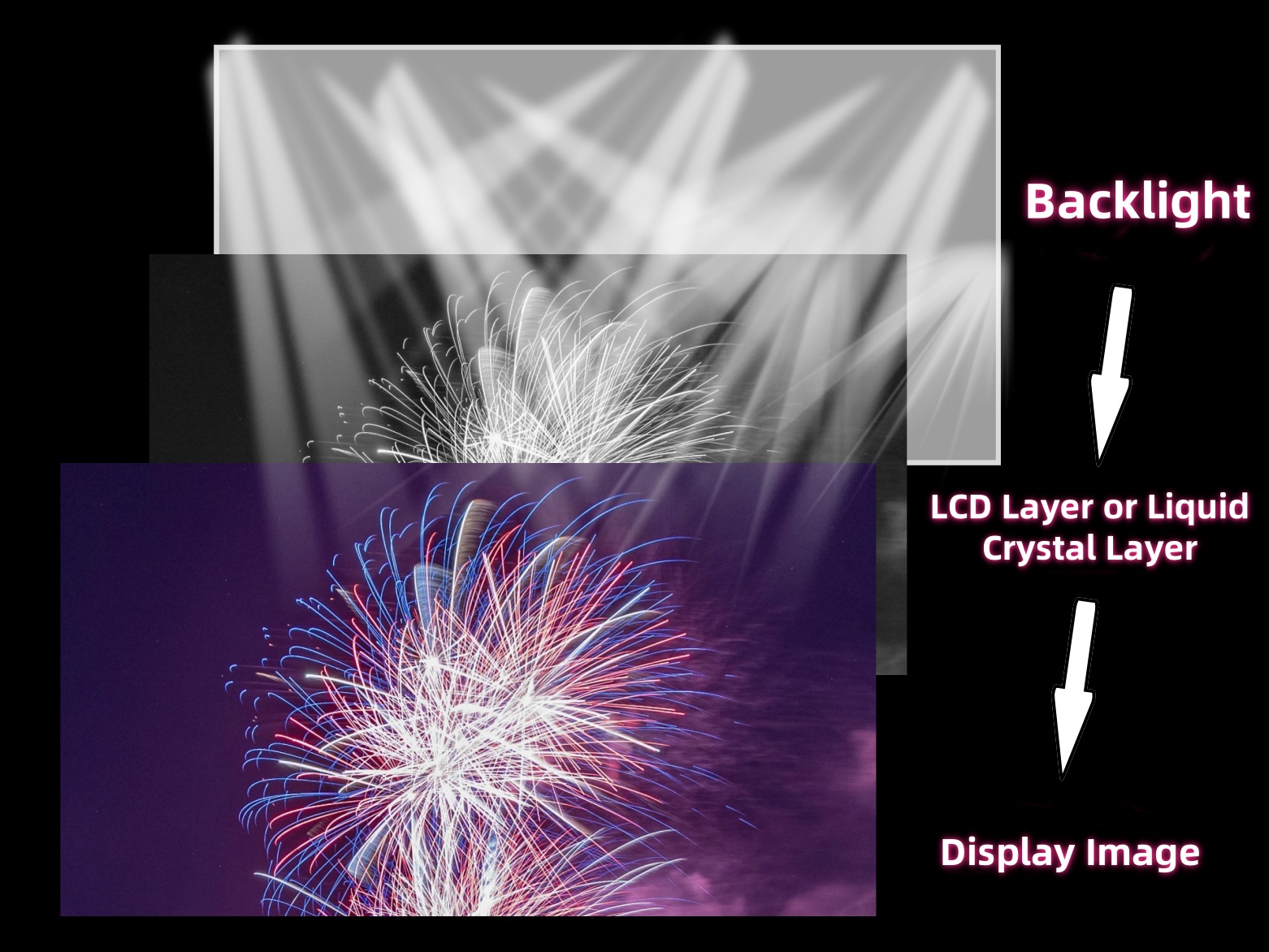
Compared to LCD screens, OLED screens are more energy-efficient because they don’t require a backlight. LCD screens, on the other hand, are non-emissive and rely on backlighting to illuminate the display, which consumes more power.
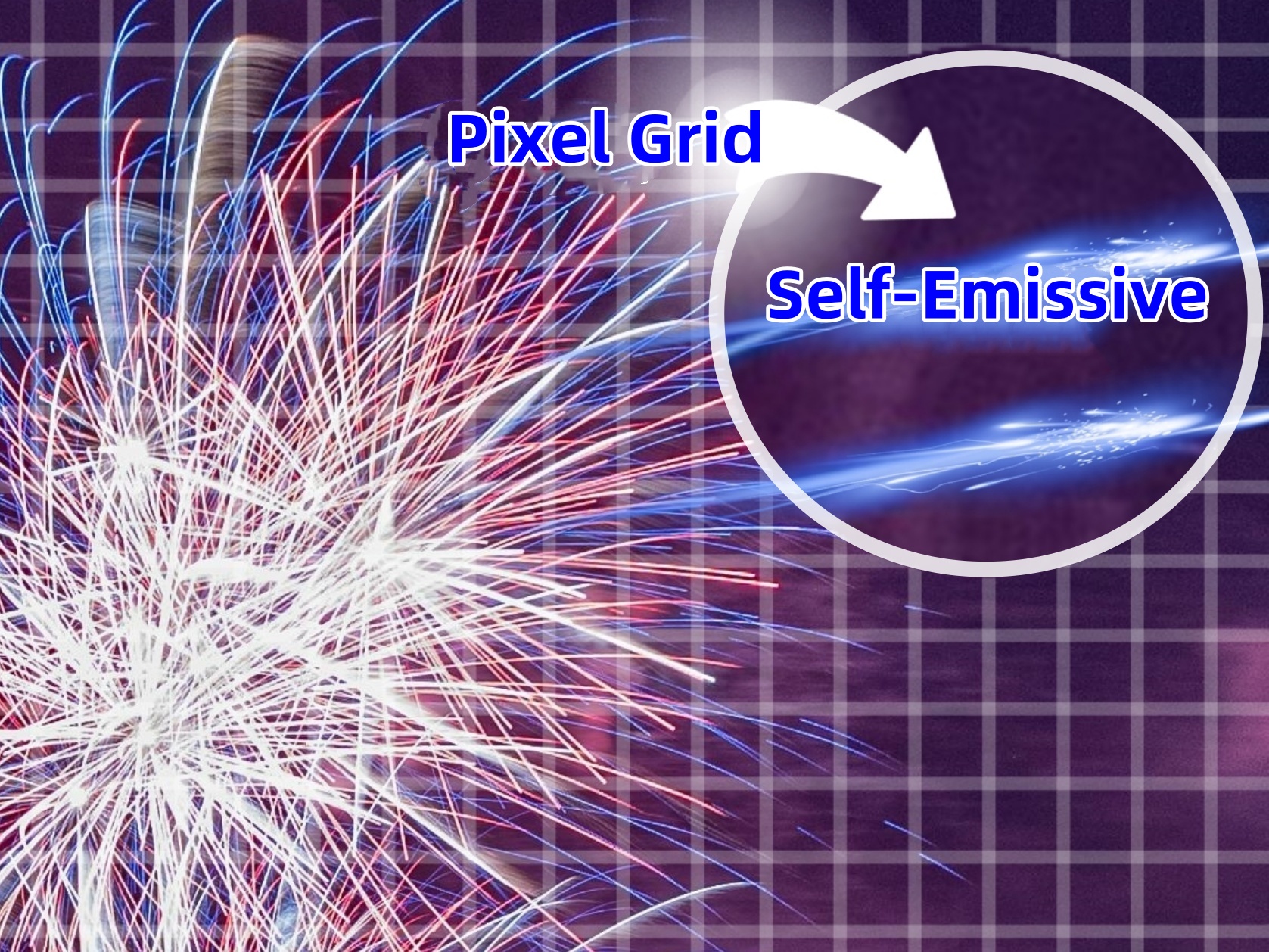
In an OLED screen, each pixel is made of organic materials, with the key feature being that each pixel can emit its own light independently. This allows for precise image rendering based on the content being observed. Therefore, when the background is black or dark, the corresponding pixels can be turned off or dimmed to save unnecessary power consumption.
·Lighter Design
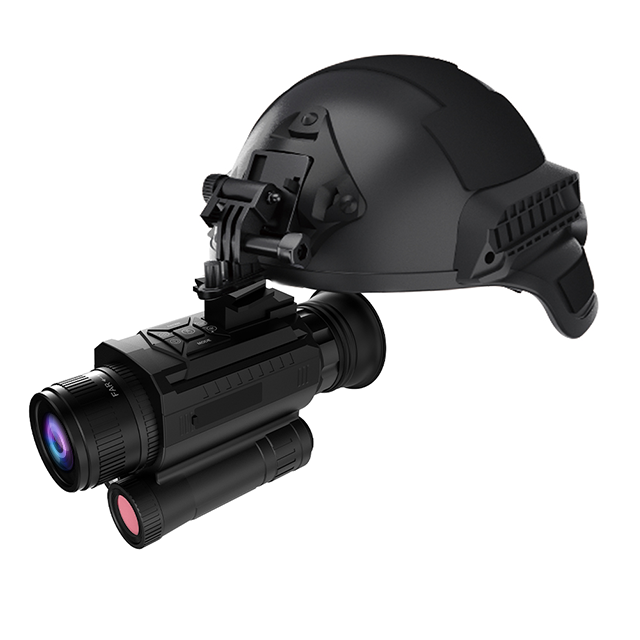
Since OLED screens are self-emissive, they eliminate the need for components required in LCD screens, such as backlight modules and polarizers. This significantly reduces the thickness and weight of the eyepiece area. As a result, night vision devices can be designed to be lighter and more portable.
·More Ergonomic
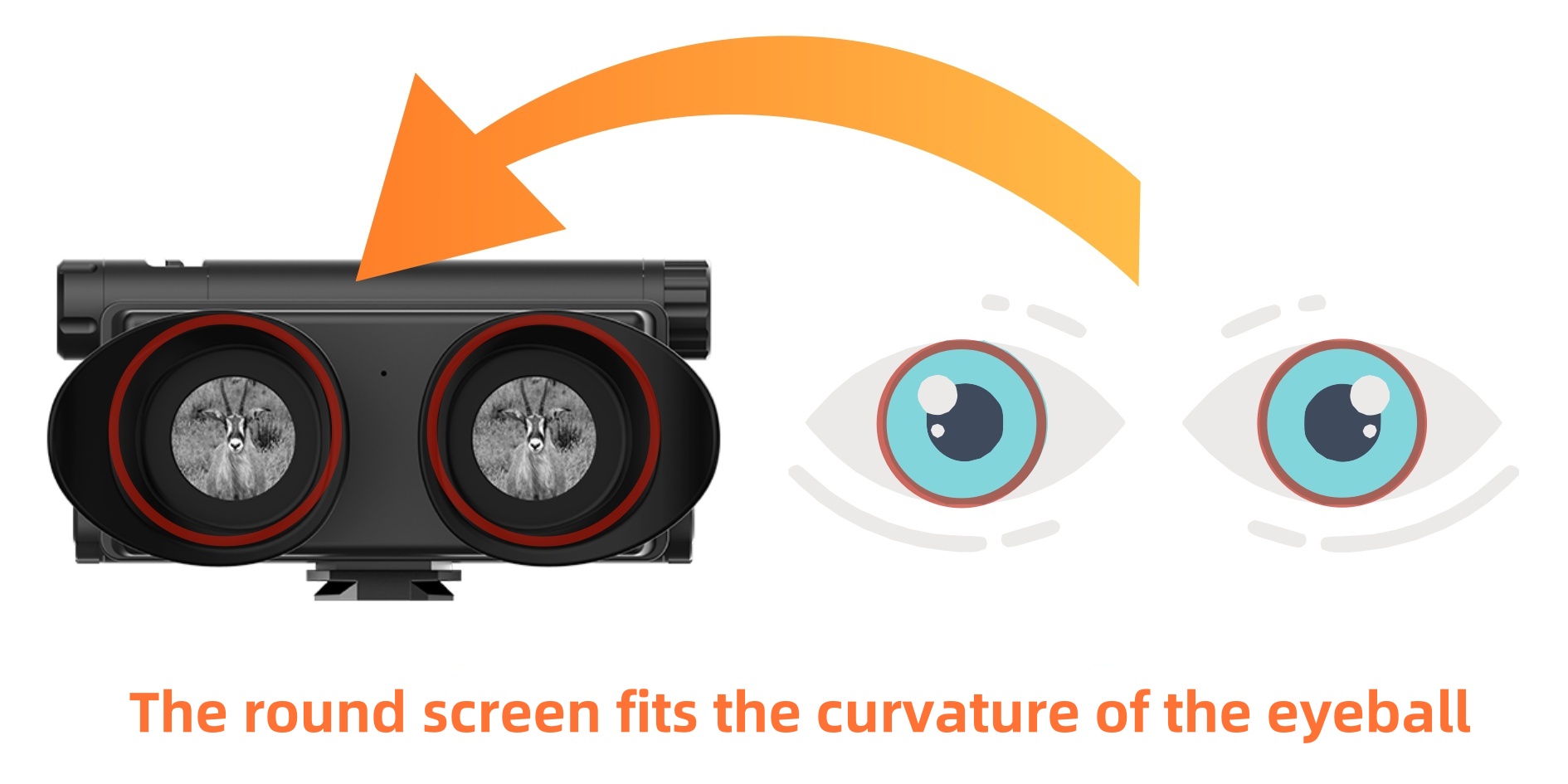
The OLED round screen provides a more ergonomic viewing experience, reducing visual fatigue during prolonged use. Its design is optimized to offer greater comfort and ease, making it more suitable for extended observations.
3. Market Value of OLED Screen Technology
Although OLED screens are more expensive, their performance advantages still make them highly competitive in the market. The news of the delayed plan to switch the MacBook Air series to OLED screens further highlights the value and market positioning of OLED technology. Even in the context of higher costs, its superior performance continues to attract the attention of numerous high-end electronics manufacturers and users.
At the same time, we recognize that despite the numerous advantages of OLED technology, LCD screens still maintain their competitiveness in many application scenarios due to their mature technology and cost-effectiveness. Therefore, when making a technology choice, it is important to consider the specific needs and budget, and make the most suitable decision based on a comprehensive evaluation.
4.The performance of Zhongteng night vision devices
In summary, the application of the OLED round screen in night vision devices is truly an added bonus. By integrating OLED round screen technology into its night vision devices, Zhongteng has not only enhanced the user experience but also differentiated its products in the market, establishing itself as a high-performance choice for consumers. Choosing Zhongteng means opting for the perfect combination of cutting-edge technology and outstanding performance.
Looking ahead, Zhongteng will continue to focus on technological innovation and quality improvement, bringing users even better and more efficient night vision solutions.
