
Development of Night Vision Technology: Advancements in the Era Leading to the Birth of Superior Products
Night vision technology, a remarkable invention that allows humans to perceive the world in complete darkness, has undergone a long and transformative journey. Early night vision devices were rudimentary and limited, but over time, advancements in technology have brought significant innovations and a wide array of options. Let’s take a look at the evolution of night vision devices today.

Evolution of Night Vision Devices
1.
The earliest night vision technology was based on infrared (IR) detection principles, allowing devices to detect the heat emitted by objects and create images in complete darkness. While this technology represented a significant breakthrough at the time, the image quality was often poor, and it was sensitive to environmental conditions. For instance, weather factors such as fog and rain could adversely affect its performance.
2.
It wasn't until the 1950s and 60s that the advent of image intensifiers marked a turning point in night vision technology. These devices could amplify faint light into visible images, significantly enhancing the performance of night vision equipment. This innovation allowed users to see in conditions that were previously impossible, making night vision much more effective and reliable.
3.
With the advancement of digital technology, night vision devices began to incorporate digital image processing techniques. This progress not only improved image clarity but also offered additional features such as zoom and image enhancement. Digital night vision devices can optimize images through built-in software algorithms, reducing noise, enhancing contrast, and even enabling target identification and tracking. This shift has greatly expanded the capabilities and applications of night vision technology.
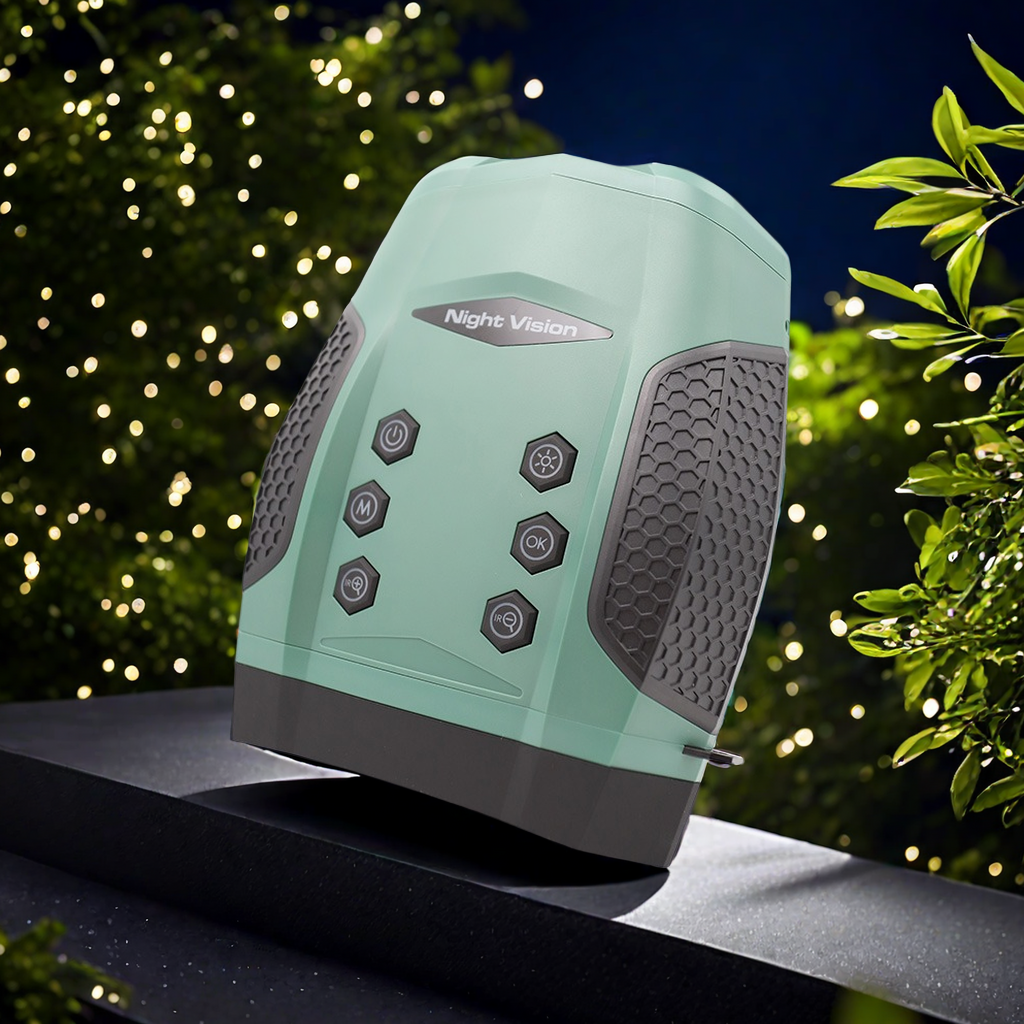
Diversification and Applications of Night Vision Technology
As night vision technology has evolved, the variety of products available has become increasingly extensive. With just a keyword search, users can be overwhelmed by the myriad of options! This abundance is beneficial for consumers, as it signifies that the market has become more segmented, with manufacturers enhancing features tailored to different use cases and needs. Each product has its unique characteristics, and there is no absolute superiority among them. The key is to find the one that best fits your specific requirements.
From military and law enforcement applications to wildlife observation and recreational use, there are night vision devices designed for every scenario, ensuring that users can select the right tool for their activities. Whether you need compact models for hiking, advanced thermal imaging for surveillance, or versatile devices for outdoor adventures, the range of choices available means there's something for everyone.
1.Traditional Infrared Night Vision
This type of night vision device utilizes infrared technology to observe and record scenes in low light or complete darkness. Infrared night vision can be divided into active infrared and passive infrared (thermal imaging). Active infrared requires illumination at night, making it less suitable for discreet scenarios. On the other hand, passive infrared displays thermal images rather than true visual images, which may result in less color and detail compared to other types of night vision devices.
2.Advancement - Low-Light Night Vision
This type of night vision device boasts high sensitivity and can capture color images in extremely low light conditions. It achieves better light-gathering capability through large aperture lenses and high-sensitivity sensors. When ambient brightness drops below a certain level, the device can switch to infrared mode, presenting images in black and white, allowing for clear observation of targets even in complete darkness. This versatility makes it suitable for a wide range of applications, leading to its widespread use.
3.Upgrade - Full-Color Night Vision
This type of night vision device represents a significant technological breakthrough. Full-color night vision devices use advanced technology to achieve full-color visuals at night, enriching the visual experience and providing new solutions across multiple fields. They exemplify the intersection of visual science and technology, showcasing the innovative potential of modern technology.
It’s worth noting that traditional full-color night vision devices often come with high development costs, resulting in steep prices. To address the needs of a broader user base, we have developed night vision devices with auxiliary light. By activating this auxiliary light in complete darkness, users can achieve full-color night vision at a more affordable price, making them popular in the market.
The three types of night vision products have emerged gradually over time. With their increasing popularity, night vision devices are now designed to be lighter and more portable, expanding their usage beyond just military and security applications to encompass a broader range of civilian purposes. This shift reflects a growing recognition of the value of night vision technology in everyday activities, such as wildlife observation, outdoor adventures, and personal safety. As a result, manufacturers are focusing on creating versatile and user-friendly devices that cater to the diverse needs of consumers.
The development of night vision technology has not only broadened human vision but also brought revolutionary changes to multiple fields. From military reconnaissance to wildlife research, and from security monitoring to nighttime recreational activities, the applications of night vision devices are becoming increasingly widespread. Understanding the different types of night vision devices and their suitable scenarios can help us better choose and utilize these powerful tools, allowing us to observe and explore the nighttime world with clarity akin to daylight.
